
What Should You Check Before Ordering Structural Steel for a New Metal Building?
Before ordering structural steel for a new metal building, verify the building dimensions, engineered specifications, steel grades, component sizes, required quantities, and connection details. You should also confirm local building code requirements, material compatibility, and supplier lead times. Reviewing these details before purchasing helps prevent ordering mistakes, unnecessary expenses, and construction delays.
Building a metal structure requires careful planning, and selecting the right structural steel supplies is one of the most important steps. Whether you’re constructing a commercial warehouse, agricultural building, workshop, or equipment storage facility, the steel components must match the project’s design and intended use. Infinity Building Supply, located in Mineola, Texas, provides structural steel supplies, roofing and siding materials, and customized steel solutions for building projects. Our team understands the importance of selecting compatible materials and helping customers make informed purchasing decisions. By reviewing your project requirements before placing an order, you can improve material accuracy, simplify coordination, and prepare for a more efficient construction process.
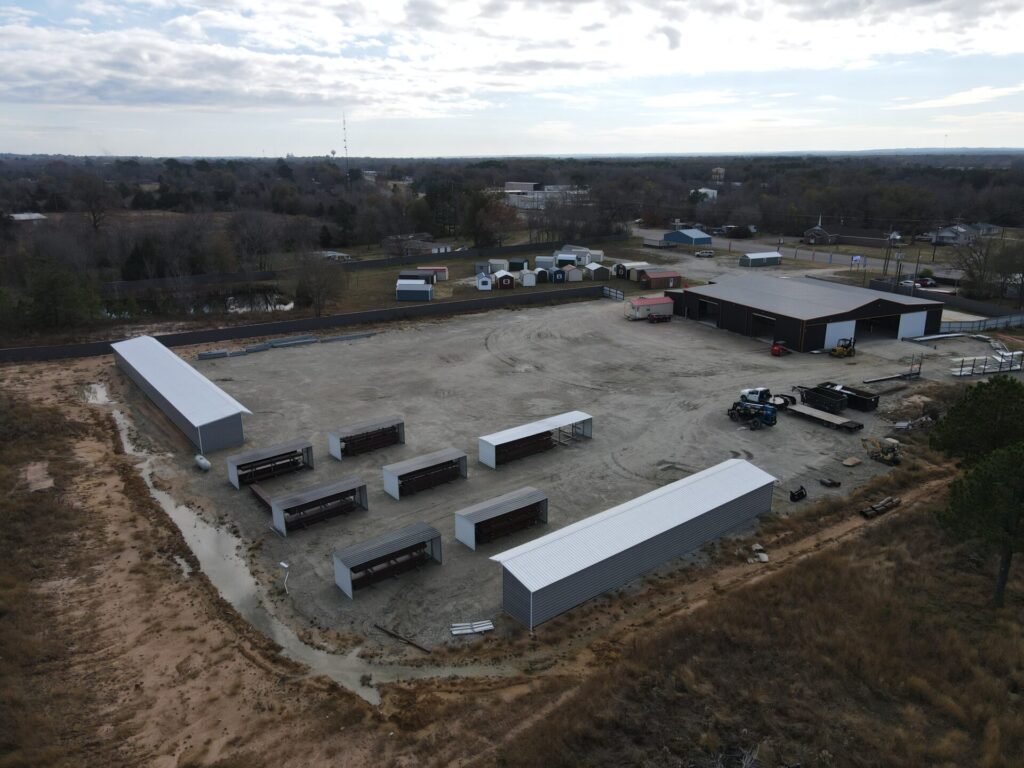
Structural Steel Ordering Checklist for Metal Building Construction
What Building Specifications Should You Confirm Before Ordering Steel?
The first step is verifying your building’s dimensions and structural design requirements. Structural steel should be ordered according to approved construction documents rather than rough measurements or assumptions.
Before contacting a metal building supplier, gather the following information:
- Building dimensions: Confirm the length, width, wall height, and roof configuration.
- Structural drawings: Have current, approved plans showing required steel components.
- Building purpose: Identify whether the structure will serve agricultural, commercial, industrial, or personal storage needs.
- Design loads: Confirm applicable wind, roof, and other structural load requirements.
- Support locations: Identify column spacing, framing connections, and roof support requirements.
- Openings: Account for doors, windows, and equipment access points.
These details influence the type, size, and quantity of structural steel needed.
For example, a building designed for agricultural equipment storage may require different framing arrangements than a commercial facility with large door openings.
A qualified structural engineer should establish the structural requirements. Your supplier can then help identify materials that match the specifications.
Which Structural Steel Components Do You Need for a Metal Building?
The components required depend on the building’s engineered design. Common metal building materials include I-beams, red iron framing, C purlins, square tubing, and other structural steel products.
Understanding their different applications can make ordering easier.
I-beams: These structural members are commonly used in beams and columns where their shape and strength are appropriate for the engineered loads.
C purlins: C-shaped steel members frequently support metal roof panels and transfer loads to the primary framing system.
Square tubing: Hollow structural sections can be used in posts, frames, supports, and other applications when specified by the project designer.
Red iron steel: This term commonly refers to structural steel with a red oxide primer. The primer is not necessarily a permanent weatherproof finish, so additional corrosion protection may be required.
Receiver channels: These channels may be used in specific framing or panel attachment details, depending on the building system.
The important consideration is compatibility. A steel component that works well in one building may not be suitable for another structure with different loads or connection requirements.
Infinity Building Supply offers structural steel solutions and customized materials that can help customers source components for their construction projects.
How Do Steel Grade, Size, and Thickness Affect Your Order?
Steel grade, member dimensions, and material thickness influence structural capacity and suitability. These characteristics must match the project specifications.
Steel grades describe mechanical properties such as minimum yield strength. Member dimensions and cross-sectional shape affect how components respond to bending, compression, and other forces.
According to the American Institute of Steel Construction, structural steel design depends on established material specifications and engineering standards.
When reviewing a material order, verify:
- Steel grade: Confirm the specified material designation and applicable standard.
- Member dimensions: Check the required depth, width, wall thickness, or section designation.
- Material length: Verify cut lengths and allowances for fabrication.
- Surface finish: Determine whether the steel requires primer, galvanizing, or another protective treatment.
- Connection requirements: Confirm whether holes, plates, welding, or other fabrication details are needed.
Never substitute a different steel size or grade simply because it is available or less expensive without approval from the responsible design professional.
For example, replacing a specified C purlin with a thinner member could affect roof support capacity, even if the two components appear similar.
Checking these details before ordering helps ensure that the supplied materials match the intended structural design.
What Common Mistakes Should You Avoid When Buying Structural Steel?
One of the most common ordering mistakes is purchasing materials before the construction plans are finalized. Changes to building dimensions or framing layouts can affect the entire material list.
Other mistakes include ordering incorrect lengths, overlooking connection details, and failing to account for material handling.
To reduce these risks, follow a simple purchasing process.
Review the final plans. Confirm that the drawings reflect the current building layout and approved structural requirements.
Create a detailed material list. Include component descriptions, sizes, quantities, grades, and finishes.
Check accessories and connections. Verify that required plates, bolts, fasteners, and related components are included in the project specifications.
Confirm material availability. Ask about product availability, custom fabrication requirements, and estimated lead times before scheduling installation.
Plan transportation and unloading. Consider member lengths, weight, equipment access, and safe storage conditions.
Inspect materials upon receipt. Compare delivered products with the order documents and report discrepancies before installation.
These steps are especially valuable for contractors coordinating multiple stages of a construction project.
Accurate ordering helps reduce unnecessary material purchases and limits disruptions caused by missing or incompatible components.
How Can You Choose the Right Structural Steel Supplier?
A dependable structural steel supplier should provide clear product information, responsive communication, and materials that meet your project’s requirements.
Price matters, but it should not be the only factor in your purchasing decision.
Consider whether a supplier can help you identify available steel components, clarify material specifications, and discuss customized requirements.
You should also confirm that the supplier can provide the quantities and sizes needed for your project.
Infinity Building Supply serves Mineola and the surrounding East Texas area with metal building materials, including structural steel supplies, roofing and siding products, and customized steel solutions.
Working with a supplier that understands metal building construction can make the purchasing process more straightforward, particularly when your project involves several different material categories.
Frequently Asked Questions About Ordering Structural Steel
Can I order structural steel without engineered building plans?
You can request preliminary pricing, but structural steel for a load-bearing building should be purchased according to appropriate engineered specifications. Final plans help establish the correct sizes, grades, quantities, and connection requirements.
What is the difference between structural steel and metal building panels?
Structural steel provides the primary or secondary support needed to carry building loads. Metal roofing and siding panels generally form the building’s exterior covering, although some panel systems also perform specified structural functions.
Is galvanized steel better than painted steel for outdoor buildings?
Galvanized steel offers a zinc-based protective coating that helps resist corrosion. Painted or primed steel may also be suitable, but the required protection depends on exposure conditions, coating specifications, and maintenance needs.
How early should I order steel for a new metal building?
Order timing depends on material availability, required quantities, fabrication needs, and supplier lead times. Confirm the construction schedule and finalize the material specifications before placing the order.
Get the Right Structural Steel Supplies for Your Next Project
Ordering structural steel doesn’t have to be complicated when you have accurate plans, a detailed material list, and a knowledgeable supplier.
Infinity Building Supply helps contractors, builders, and property owners explore structural steel and metal building material options for projects throughout the Mineola area.
Planning a new metal building? Contact Infinity Building Supply to discuss your structural steel requirements, ask about available materials, and request information for your next construction project.