
Cost vs. Value in Metal Building Materials: How Do You Know You’re Making the Right Choice?
How to Choose Metal Building Materials That Deliver Long-Term Value for East Texas Projects
Every builder, contractor, and property owner eventually faces the same crossroads: two material options sitting in front of them, one lower upfront and one higher, with a real question about which one actually costs less over the life of the building. In the metal building industry, that decision gets made dozens of times across a single project, and the cumulative effect of getting it right or wrong shows up years later in maintenance bills, repair schedules, and the long-term durability of the structure itself.
At Infinity Building Supply, located in Mineola and serving the East Texas region, we have spent years helping contractors, builders, and property owners navigate exactly this question. We are not just a supplier of metal building materials. We are a dedicated partner in construction success, committed to helping our customers understand what they are buying and why it matters. Our product range spans structural steel framing solutions, roofing and siding materials, fasteners, and everything in between, and our team brings the product knowledge and regional experience to help every customer make decisions that serve their project for the long haul. The right materials, sourced through the right partner, make the difference between a building that performs and one that costs you far more than you expected.
Why the Lowest Upfront Material Choice Is Often the Most Expensive Long-Term Decision
The appeal of lower-cost material options is understandable, especially when project budgets are tight and every line item matters. But in metal building construction, the relationship between initial material cost and total lifecycle cost is one of the most important concepts any builder or property owner can internalize.
Steel gauge is one of the clearest illustrations. Gauge is a measure of steel thickness, and the numbering works in reverse: a lower gauge number means thicker, stronger steel. The difference between a 29-gauge panel and a 26-gauge panel, or between 14-gauge and 12-gauge framing, is not just a number on a spec sheet. It translates directly into how the structure responds to weather loads over time, how resistant it is to impact and denting, and how long the material maintains its protective coatings before maintenance becomes necessary.
In East Texas, where severe thunderstorms, high winds, and heavy rainfall are regular seasonal events, those differences carry real consequences. A structure built with materials chosen primarily on initial cost may perform adequately in mild conditions but begin revealing its limitations the first time a serious storm tests it. Structural repairs, panel replacements, and water intrusion remediation consistently cost far more over time than the premium that higher-quality materials would have added to the original project.
Key Material Decisions That Shape the Cost-Value Equation
Framing: Red Iron vs. Galvanized Square Tubing
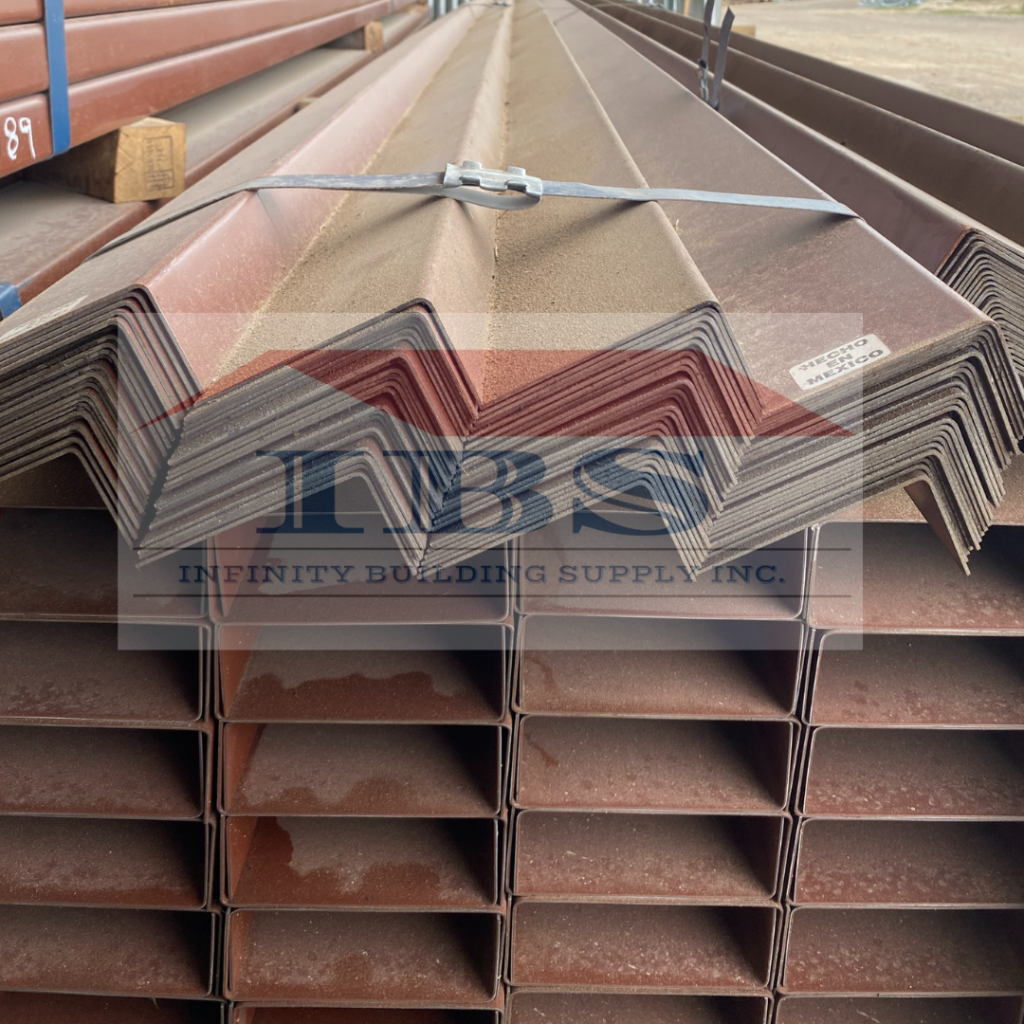
The choice of framing material is one of the most consequential decisions in any metal building project. Red iron structural steel, characterized by its exceptional strength and load-bearing capacity, is the industry standard for buildings that need to support significant spans, resist heavy wind loads, and perform reliably over decades. Galvanized square tubing offers cost advantages and works well for smaller or lighter-duty structures, but it does not deliver the same long-term load performance as red iron for demanding applications.
Understanding which framing solution matches the actual intended use and load requirements of a building is where product knowledge from a supplier like Infinity Building Supply becomes genuinely valuable. Specifying more framing than a project needs is wasteful. Specifying less creates a structure that may meet code today but underperforms under real-world conditions over time.
Roofing and Siding: Coatings and Gauge Together
The performance of metal roofing and siding panels depends on two factors working together: the gauge of the base steel and the quality of the protective coating applied to it. Galvalume, the industry-standard coating combining aluminum and zinc, provides significantly better corrosion resistance than traditional galvanized coatings and is widely considered the benchmark for roofing panel performance in humid, rain-heavy climates like East Texas.
Paired with an appropriate gauge for the application, a quality Galvalume-coated panel delivers a service life that can extend for decades with minimal maintenance. Panels specified at lower gauges or with inferior coating systems may look identical at installation but will begin showing corrosion, fading, and surface degradation much sooner, particularly in East Texas conditions where standing water, heavy rain, and high humidity put every surface to the test regularly.
Fasteners: The Detail That Holds Everything Together
It is easy to focus the cost-versus-value conversation on large structural components and overlook fasteners, but the screws and hardware holding a metal building together deserve the same thoughtful evaluation. Painted screws, galvanized screws, and specialty fasteners each carry different performance profiles in terms of corrosion resistance and pull-out strength. Specifying the wrong fastener for an application, particularly in an exterior environment with regular moisture exposure, can compromise panel integrity and create leak points that are expensive and disruptive to address after the fact.
What the East Texas Climate Demands From Your Materials
East Texas projects face a specific combination of challenges that make material quality matter more than it might in milder climates. The region regularly sees wind events that demand properly rated structural systems. Frequent heavy rain puts roofing and siding materials through prolonged moisture exposure. Heat cycles stress coatings and fastener connections year after year. Builders and owners who account for these regional demands in their material specifications end up with structures that meet expectations and protect their investment over the long term. Those who defer to the lowest available option often find themselves revisiting those decisions sooner than anticipated.
Ready to build smarter in East Texas? Contact Infinity Building Supply today to talk through your project’s material needs with a team that knows this region and knows these products. Whether you are framing a new agricultural facility, sourcing roofing and siding for a commercial project, or comparing material options for any metal building application, we are here to help you make decisions that deliver real value.